September 17, 2026
September 17, 2026
How to Optimize Content for LLMs and Set Up an LLM Tracking Tool Step by Step
By the end of this tutorial, you’ll have:
By the end of this tutorial, you’ll have:
By the end of this tutorial, you’ll have:
Content optimized for large language models (LLMs) using practical LLM SEO / GEO best practices
A working LLM tracking setup that monitors brand visibility across ChatGPT, Claude, Gemini, Perplexity, and AI Overviews
A repeatable workflow for LLM seeding, prompt design, and visibility benchmarking so you can see how content changes affect AI rankings over time
This guide is written for ecommerce, growth, and SEO leaders who need more than vague “AI magic”—you’ll get concrete steps, settings, and examples you can implement immediately.
Prerequisites
Before you start, make sure you have:
Live website or ecommerce catalog with at least 50–100 SKUs or core pages
Access to your CMS (WordPress, Shopify, custom headless, etc.)
Basic analytics tools (Google Analytics, Search Console, or equivalent)
Access to major LLMs via web or API:
ChatGPT
Claude
Gemini / Google AI Overviews
Perplexity (optional but recommended)
An AI visibility platform or LLM tracking tool
Example: Era® for multi-model AI visibility, GEO/AEO, and SKU-level monitoring
Defined target segment or product line to focus your first benchmark (e.g., “2ct elongated cushion cut engagement rings” or “men’s waterproof hiking boots”).
Step 1: Define Your LLM SEO Goals and Measurement Framework
Before optimizing content for LLMs, you need clear, measurable goals. LLMs are non-deterministic—answers can change between runs—so you must define what success looks like.
1.1 Pick 1–3 concrete visibility goals
Examples of LLM SEO goals:
Decision-stage recommendations
Goal: “Be listed in the top 3 recommendations when users ask ‘best 2ct elongated cushion cut engagement rings’ in ChatGPT, Claude, and Gemini.”
Branded query coverage
Goal: “Ensure our brand is correctly described and linked for queries like ‘[Brand] old mine cut vs cushion comparison’ across major LLMs.”
Category share of voice
Goal: “Achieve at least 25% share of voice in AI answers for ‘best vegan running shoes’ across AI assistants.”
Write your goals as plain, testable questions you can later use as prompts.
1.2 Define the metrics you’ll track
LLM visibility tools—including Era, Ahrefs Brand Radar, and others—are converging on a core metric set. At minimum, track:
Mentions – how often your brand or products are named in answers
Citations/links – when AI assistants quote, cite, or link to your site
Share of voice – your proportion of total mentions for a query or category
Sentiment – whether the assistant describes you in positive, neutral, or negative terms
Cross-engine coverage – which engines (ChatGPT, Claude, Gemini, Perplexity) surface you
Common failure at this step: only tracking “if we show up”. You need a baseline for how often, where, and with what sentiment—otherwise you can’t judge improvement.
Step 2: Audit Your Current LLM Visibility Across Major Models
Next, you need a baseline. This is your first LLM visibility benchmark.
2.1 Build a prompt set that mirrors real user behavior
Create 10–30 prompts for each priority category. Use natural language, not internal jargon.
Examples for a jewelry brand:
“Best 2ct elongated cushion cut engagement rings under $8,000”
“Old mine cut vs cushion cut – which looks more vintage?”
“Most trusted online jewellers for custom engagement rings”
Examples for a footwear brand:
“Best men’s waterproof hiking boots for wet trails”
“Top trail running shoe brands for wide feet”
“Are [Brand] hiking boots good for winter?”
Key rule: include decision-stage queries (“best”, “top”, “vs”) and branded queries.
2.2 Test prompts across multiple LLMs
Run each prompt in:
ChatGPT
Claude
Gemini (including AI Overviews where applicable)
Perplexity
Capture for each run:
Which brands/products are recommended
Where your brand appears (rank order or position in the explanation)
Whether your site is cited or linked
Any pros/cons or sentiment statements
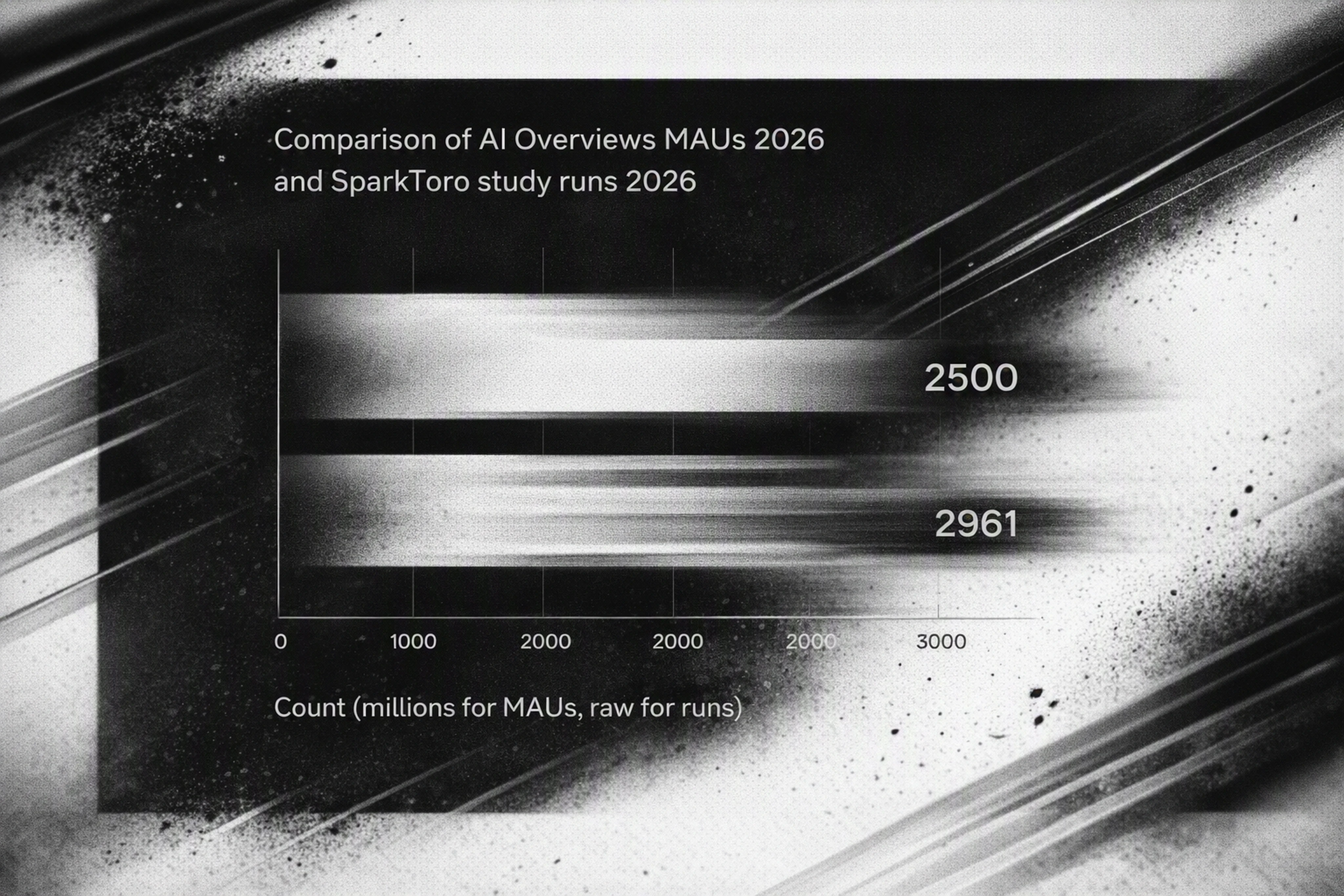
Because LLMs are non-deterministic, repeat each prompt 3–5 times per assistant. SparkToro’s January 2026 study (2,961 runs across 600 volunteers) showed that AI recommendations are highly inconsistent, so single-run “rankings” are misleading.
2.3 Use or set up an LLM tracking tool
Manual spreadsheets work for early testing, but become unmanageable quickly. This is where an AI visibility platform like Era is useful:
Import your prompt set via API or UI
Define locations and languages (LLMs vary by region; Google says AI Overviews now run in 200+ countries and 40+ languages)
Tell the tracker which brand domains and SKUs to monitor
Common failure at this step: only tracking one assistant. Real users split across ChatGPT, Gemini, Claude, Perplexity and others; your benchmark must reflect that.
Step 3: Optimize On-Site Content for LLMs (LLM SEO / GEO Basics)
Google’s 2025 AI optimization guidance is clear: AI Overviews and AI Mode are grounded in core Search ranking systems. Optimizing for AI search is still SEO, with additional emphasis on structured, machine-readable evidence.
3.1 Start with a high-impact page or category
Pick one:
Top revenue category (e.g., “engagement rings”)
Fast-growing category (e.g., “vegan running shoes”)
Underserved but strategic segment (e.g., “plus-size sportswear”)
3.2 Apply LLM SEO content best practices
For each page:
a) Make intent explicit in headings
Use H1/H2 that match how people query assistants.
Example: “Best 2ct Elongated Cushion Cut Engagement Rings: How to Choose”
b) Provide decision-stage evidence, not generic copy
Include structured information that models can reason over:
Clear specs: carat, cut style, metal type, price bands
Comparisons: e.g., “old mine cut vs cushion cut – pros and cons”
Buyer criteria: durability, appearance, comfort, price, availability
LLMs weigh concrete criteria heavily. Decision-stage evidence beats generic brand stories.
c) Use structured data that matches visible content
Per Google’s guidelines, structured data must reflect the actual page content.
Implement:
Productschema for SKUs (price, availability, brand)ReviewandAggregateRatingwhere applicableFAQPagefor on-page Q&A
Ensure:
No contradictory values between markup and copy
No hidden or misleading fields—LLMs ingest multiple sources and punish inconsistencies
d) Improve page experience and crawlability
Ensure fast load times and mobile responsiveness
Avoid intrusive interstitials or blocked content
Confirm that AI-enabled search engines and crawlers can access your content (no over-aggressive bots blocking)
Common failure at this step: optimizing only titles and keywords. LLMs care about the substance: specs, evidence, comparisons, and FAQ-style explanations.
Step 4: Design an LLM Seeding and Prompt Workflow
Optimized pages are necessary but not sufficient. You also need a systematic workflow to “seed” LLMs with the right evidence and then test how they respond.
4.1 Create a content seeding plan
Think in terms of evidence distribution, not just publishing more pages.
For each focus topic:
Publish a pillar page (deep guide)
Add supporting articles answering specific questions
Example: “Old mine cut vs cushion: which sparkles more?”
Example: “How to pick a 2ct elongated cushion cut that doesn’t look too large”
Add FAQ blocks to category pages reflecting common AI queries
Link internally between these pages to create a coherent knowledge graph the models can use.
If you use Era’s content autopilot, configure it to generate and publish one GEO-optimized article per day for your priority topics, keeping specs and evidence consistent.
4.2 Design prompts that map to the seeded content
For tracking and benchmarking, design prompt sets that directly relate to your seeded topics.
Examples:
“What should I look for in a 2ct elongated cushion cut engagement ring?”
“Compare old mine cut vs cushion cut engagement rings for vintage style.”
“Which online jewellers are trusted for vintage-style engagement rings?”
Your seeded content should provide clear, structured answers and criteria that LLMs can reuse.
4.3 Set a testing cadence
Define a simple loop:
Weekly: Run your prompt set across assistants
Monthly: Review trendlines for mentions, share of voice, and sentiment
This mirrors OpenAI’s recommended optimization loop: evals → prompt and context changes → re-eval.
Common failure at this step: ad-hoc prompts with no link to actual content. If the questions you test don’t match what you’ve published, visibility gains will be random and hard to attribute.
Step 5: Set Up an LLM Rank Tracker and AI Visibility Dashboard
Now, turn your manual prompt testing into a structured LLM rank tracker.
5.1 Configure your LLM tracking tool (example: Era)
In an AI visibility platform:
Connect your catalog and CMS
Sync SKUs/products to map recommendations to specific items
For ecommerce, enable SKU-level tracking per region
Import your prompt set
Group prompts by topic: “2ct cushion rings”, “old mine cut vs cushion”, etc.
Tag each prompt as decision-stage or branded
Select LLMs, regions, and languages
ChatGPT, Claude, Gemini/AI Overviews, Perplexity
At least your top 3 revenue regions
Define KPIs and alert thresholds
Example: alert if share of voice drops below 15% for “best 2ct cushion cut rings”
5.2 Establish AI ranking and visibility metrics
Because classic positions (e.g., “rank 3”) are unstable in LLMs, define rankings in terms of presence and prominence:
Presence score – how often your brand is mentioned across repeated runs
Prominence score – average position in recommendation lists (1st, 2nd, etc.)
Citation rate – percentage of runs that include a link or quote from your domain
Sentiment balance – share of runs with positive vs neutral vs negative framing
Use rolling averages across multiple runs to smooth out open-ended variability.
Common failure at this step: using a single-run snapshot as “our AI rank”. Always track over time and across multiple runs per prompt.
Step 6: Run Your First LLM Visibility Benchmark and Compare to Competitors
With tracking configured, run your first full benchmark.
6.1 Baseline execution
Trigger a full prompt run across all selected LLMs and regions.
Save this as your Baseline Benchmark – Month 0.
Review:
How often you appear vs competitors
In which assistants you’re strong or weak
Whether AI assistants correctly describe your value props
6.2 Competitor comparison
Most platforms allow competitor monitoring. Configure:
Primary competitors for each category
Secondary or emerging brands
Track:
Where competitors displace you in decision-stage answers
Which evidence they surface (reviews, pricing, availability)
This comparison shows where you’re losing AI share of voice and what types of evidence competitors are winning on.
Common failure at this step: looking only at your own visibility. AI answers are comparative by nature; you need to know who’s taking your spot.
Step 7: Iterate Content, Re-Seed, and Monitor Changes Over Time
Finally, close the loop by connecting content changes to visibility outcomes.
7.1 Link changes to metrics
For each iteration, document:
Pages edited or created
Schema or structured data added/updated
New FAQs or comparison sections
External evidence updated (reviews, third-party citations)
Then, pull visibility metrics before and after the change:
Mentions and share of voice
Citation rate
Sentiment shifts (e.g., more positive framing of price or quality)
7.2 Build a recurring optimization program
Set up a simple monthly cycle:
Benchmark – run prompt sets and review dashboards
Diagnose – find prompts where visibility is low or negative
Optimize – improve on-site evidence, structured data, and FAQs
Re-seed – publish supporting content, ensure internal links
Re-test – run prompt sets again and compare trendlines
This is the practical, measurement-first application of GEO / AEO: instead of hoping AI models discover you, you systematically expose high-quality evidence and measure what changes.
If you want a deeper strategic framework for this, see our companion guide: AI Visibility Benchmarking Pillar: LLM SEO, Seeding, and Rank Tracking Frameworks.
Common failure at this step: treating GEO as a one-off project. LLM behaviors and indices evolve continuously; Google reports AI Overviews usage growth and OpenAI Signals show steady adoption changes. Your AI visibility program has to be ongoing.
FAQ / Troubleshooting
1. How is optimizing content for LLMs different from classic SEO?
Optimizing content for LLMs uses the same foundation as SEO—unique value, crawlable pages, strong page experience—but adds emphasis on decision-stage evidence and structured data that matches visible content. LLMs synthesize answers using specs, comparisons, reviews, and FAQs. GEO / AEO is less about keyword density and more about making high-quality, machine-readable evidence available.
2. How often should I update my LLM tracking prompts?
Review your prompt set at least quarterly, and more often in fast-moving categories. Add prompts when:
New product lines or categories launch
You identify new common AI queries in customer conversations
Search trends shift (e.g., new comparison patterns like “old mine cut vs cushion”)
Keep a core set of consistent prompts for trend tracking, and layer new prompts on top.
3. Why do my AI rankings change even when I don’t touch my content?
LLMs are non-deterministic and updated regularly. SparkToro’s 2026 research showed high variability across 2,961 runs. Changes can come from:
Model updates from OpenAI, Anthropic, Google, etc.
New training data influencing recommendations
Shifts in external evidence (reviews, competitor content)
That’s why you should track trendlines across multiple runs, not single snapshots.
4. Can I track individual SKUs in AI shopping flows?
Yes. Ecommerce-focused AI visibility platforms like Era support SKU-level tracking, especially important as agentic commerce protocols and AI-native shopping experiences expand. You can monitor which SKUs appear in AI shopping carousels, whether they’re eligible for certain criteria (price bands, availability), and how that varies by region.
5. What’s the fastest way to start if I have limited resources?
If you’re resource-constrained:
Pick one high-value category.
Create 10–15 realistic prompts.
Run them manually across ChatGPT, Claude, and Gemini to get a baseline.
Optimize one or two key pages with better specs, comparisons, and FAQ content.
Re-run prompts after changes and log visibility outcomes.
Once you see movement, invest in a dedicated AI visibility platform and expand your program across more categories.




By the end of this tutorial, you’ll have:
Content optimized for large language models (LLMs) using practical LLM SEO / GEO best practices
A working LLM tracking setup that monitors brand visibility across ChatGPT, Claude, Gemini, Perplexity, and AI Overviews
A repeatable workflow for LLM seeding, prompt design, and visibility benchmarking so you can see how content changes affect AI rankings over time
This guide is written for ecommerce, growth, and SEO leaders who need more than vague “AI magic”—you’ll get concrete steps, settings, and examples you can implement immediately.
Prerequisites
Before you start, make sure you have:
Live website or ecommerce catalog with at least 50–100 SKUs or core pages
Access to your CMS (WordPress, Shopify, custom headless, etc.)
Basic analytics tools (Google Analytics, Search Console, or equivalent)
Access to major LLMs via web or API:
ChatGPT
Claude
Gemini / Google AI Overviews
Perplexity (optional but recommended)
An AI visibility platform or LLM tracking tool
Example: Era® for multi-model AI visibility, GEO/AEO, and SKU-level monitoring
Defined target segment or product line to focus your first benchmark (e.g., “2ct elongated cushion cut engagement rings” or “men’s waterproof hiking boots”).
Step 1: Define Your LLM SEO Goals and Measurement Framework
Before optimizing content for LLMs, you need clear, measurable goals. LLMs are non-deterministic—answers can change between runs—so you must define what success looks like.
1.1 Pick 1–3 concrete visibility goals
Examples of LLM SEO goals:
Decision-stage recommendations
Goal: “Be listed in the top 3 recommendations when users ask ‘best 2ct elongated cushion cut engagement rings’ in ChatGPT, Claude, and Gemini.”
Branded query coverage
Goal: “Ensure our brand is correctly described and linked for queries like ‘[Brand] old mine cut vs cushion comparison’ across major LLMs.”
Category share of voice
Goal: “Achieve at least 25% share of voice in AI answers for ‘best vegan running shoes’ across AI assistants.”
Write your goals as plain, testable questions you can later use as prompts.
1.2 Define the metrics you’ll track
LLM visibility tools—including Era, Ahrefs Brand Radar, and others—are converging on a core metric set. At minimum, track:
Mentions – how often your brand or products are named in answers
Citations/links – when AI assistants quote, cite, or link to your site
Share of voice – your proportion of total mentions for a query or category
Sentiment – whether the assistant describes you in positive, neutral, or negative terms
Cross-engine coverage – which engines (ChatGPT, Claude, Gemini, Perplexity) surface you
Common failure at this step: only tracking “if we show up”. You need a baseline for how often, where, and with what sentiment—otherwise you can’t judge improvement.
Step 2: Audit Your Current LLM Visibility Across Major Models
Next, you need a baseline. This is your first LLM visibility benchmark.
2.1 Build a prompt set that mirrors real user behavior
Create 10–30 prompts for each priority category. Use natural language, not internal jargon.
Examples for a jewelry brand:
“Best 2ct elongated cushion cut engagement rings under $8,000”
“Old mine cut vs cushion cut – which looks more vintage?”
“Most trusted online jewellers for custom engagement rings”
Examples for a footwear brand:
“Best men’s waterproof hiking boots for wet trails”
“Top trail running shoe brands for wide feet”
“Are [Brand] hiking boots good for winter?”
Key rule: include decision-stage queries (“best”, “top”, “vs”) and branded queries.
2.2 Test prompts across multiple LLMs
Run each prompt in:
ChatGPT
Claude
Gemini (including AI Overviews where applicable)
Perplexity
Capture for each run:
Which brands/products are recommended
Where your brand appears (rank order or position in the explanation)
Whether your site is cited or linked
Any pros/cons or sentiment statements
Because LLMs are non-deterministic, repeat each prompt 3–5 times per assistant. SparkToro’s January 2026 study (2,961 runs across 600 volunteers) showed that AI recommendations are highly inconsistent, so single-run “rankings” are misleading.
2.3 Use or set up an LLM tracking tool
Manual spreadsheets work for early testing, but become unmanageable quickly. This is where an AI visibility platform like Era is useful:
Import your prompt set via API or UI
Define locations and languages (LLMs vary by region; Google says AI Overviews now run in 200+ countries and 40+ languages)
Tell the tracker which brand domains and SKUs to monitor
Common failure at this step: only tracking one assistant. Real users split across ChatGPT, Gemini, Claude, Perplexity and others; your benchmark must reflect that.
Step 3: Optimize On-Site Content for LLMs (LLM SEO / GEO Basics)
Google’s 2025 AI optimization guidance is clear: AI Overviews and AI Mode are grounded in core Search ranking systems. Optimizing for AI search is still SEO, with additional emphasis on structured, machine-readable evidence.
3.1 Start with a high-impact page or category
Pick one:
Top revenue category (e.g., “engagement rings”)
Fast-growing category (e.g., “vegan running shoes”)
Underserved but strategic segment (e.g., “plus-size sportswear”)
3.2 Apply LLM SEO content best practices
For each page:
a) Make intent explicit in headings
Use H1/H2 that match how people query assistants.
Example: “Best 2ct Elongated Cushion Cut Engagement Rings: How to Choose”
b) Provide decision-stage evidence, not generic copy
Include structured information that models can reason over:
Clear specs: carat, cut style, metal type, price bands
Comparisons: e.g., “old mine cut vs cushion cut – pros and cons”
Buyer criteria: durability, appearance, comfort, price, availability
LLMs weigh concrete criteria heavily. Decision-stage evidence beats generic brand stories.
c) Use structured data that matches visible content
Per Google’s guidelines, structured data must reflect the actual page content.
Implement:
Productschema for SKUs (price, availability, brand)ReviewandAggregateRatingwhere applicableFAQPagefor on-page Q&A
Ensure:
No contradictory values between markup and copy
No hidden or misleading fields—LLMs ingest multiple sources and punish inconsistencies
d) Improve page experience and crawlability
Ensure fast load times and mobile responsiveness
Avoid intrusive interstitials or blocked content
Confirm that AI-enabled search engines and crawlers can access your content (no over-aggressive bots blocking)
Common failure at this step: optimizing only titles and keywords. LLMs care about the substance: specs, evidence, comparisons, and FAQ-style explanations.
Step 4: Design an LLM Seeding and Prompt Workflow
Optimized pages are necessary but not sufficient. You also need a systematic workflow to “seed” LLMs with the right evidence and then test how they respond.
4.1 Create a content seeding plan
Think in terms of evidence distribution, not just publishing more pages.
For each focus topic:
Publish a pillar page (deep guide)
Add supporting articles answering specific questions
Example: “Old mine cut vs cushion: which sparkles more?”
Example: “How to pick a 2ct elongated cushion cut that doesn’t look too large”
Add FAQ blocks to category pages reflecting common AI queries
Link internally between these pages to create a coherent knowledge graph the models can use.
If you use Era’s content autopilot, configure it to generate and publish one GEO-optimized article per day for your priority topics, keeping specs and evidence consistent.
4.2 Design prompts that map to the seeded content
For tracking and benchmarking, design prompt sets that directly relate to your seeded topics.
Examples:
“What should I look for in a 2ct elongated cushion cut engagement ring?”
“Compare old mine cut vs cushion cut engagement rings for vintage style.”
“Which online jewellers are trusted for vintage-style engagement rings?”
Your seeded content should provide clear, structured answers and criteria that LLMs can reuse.
4.3 Set a testing cadence
Define a simple loop:
Weekly: Run your prompt set across assistants
Monthly: Review trendlines for mentions, share of voice, and sentiment
This mirrors OpenAI’s recommended optimization loop: evals → prompt and context changes → re-eval.
Common failure at this step: ad-hoc prompts with no link to actual content. If the questions you test don’t match what you’ve published, visibility gains will be random and hard to attribute.
Step 5: Set Up an LLM Rank Tracker and AI Visibility Dashboard
Now, turn your manual prompt testing into a structured LLM rank tracker.
5.1 Configure your LLM tracking tool (example: Era)
In an AI visibility platform:
Connect your catalog and CMS
Sync SKUs/products to map recommendations to specific items
For ecommerce, enable SKU-level tracking per region
Import your prompt set
Group prompts by topic: “2ct cushion rings”, “old mine cut vs cushion”, etc.
Tag each prompt as decision-stage or branded
Select LLMs, regions, and languages
ChatGPT, Claude, Gemini/AI Overviews, Perplexity
At least your top 3 revenue regions
Define KPIs and alert thresholds
Example: alert if share of voice drops below 15% for “best 2ct cushion cut rings”
5.2 Establish AI ranking and visibility metrics
Because classic positions (e.g., “rank 3”) are unstable in LLMs, define rankings in terms of presence and prominence:
Presence score – how often your brand is mentioned across repeated runs
Prominence score – average position in recommendation lists (1st, 2nd, etc.)
Citation rate – percentage of runs that include a link or quote from your domain
Sentiment balance – share of runs with positive vs neutral vs negative framing
Use rolling averages across multiple runs to smooth out open-ended variability.
Common failure at this step: using a single-run snapshot as “our AI rank”. Always track over time and across multiple runs per prompt.
Step 6: Run Your First LLM Visibility Benchmark and Compare to Competitors
With tracking configured, run your first full benchmark.
6.1 Baseline execution
Trigger a full prompt run across all selected LLMs and regions.
Save this as your Baseline Benchmark – Month 0.
Review:
How often you appear vs competitors
In which assistants you’re strong or weak
Whether AI assistants correctly describe your value props
6.2 Competitor comparison
Most platforms allow competitor monitoring. Configure:
Primary competitors for each category
Secondary or emerging brands
Track:
Where competitors displace you in decision-stage answers
Which evidence they surface (reviews, pricing, availability)
This comparison shows where you’re losing AI share of voice and what types of evidence competitors are winning on.
Common failure at this step: looking only at your own visibility. AI answers are comparative by nature; you need to know who’s taking your spot.
Step 7: Iterate Content, Re-Seed, and Monitor Changes Over Time
Finally, close the loop by connecting content changes to visibility outcomes.
7.1 Link changes to metrics
For each iteration, document:
Pages edited or created
Schema or structured data added/updated
New FAQs or comparison sections
External evidence updated (reviews, third-party citations)
Then, pull visibility metrics before and after the change:
Mentions and share of voice
Citation rate
Sentiment shifts (e.g., more positive framing of price or quality)
7.2 Build a recurring optimization program
Set up a simple monthly cycle:
Benchmark – run prompt sets and review dashboards
Diagnose – find prompts where visibility is low or negative
Optimize – improve on-site evidence, structured data, and FAQs
Re-seed – publish supporting content, ensure internal links
Re-test – run prompt sets again and compare trendlines
This is the practical, measurement-first application of GEO / AEO: instead of hoping AI models discover you, you systematically expose high-quality evidence and measure what changes.
If you want a deeper strategic framework for this, see our companion guide: AI Visibility Benchmarking Pillar: LLM SEO, Seeding, and Rank Tracking Frameworks.
Common failure at this step: treating GEO as a one-off project. LLM behaviors and indices evolve continuously; Google reports AI Overviews usage growth and OpenAI Signals show steady adoption changes. Your AI visibility program has to be ongoing.
FAQ / Troubleshooting
1. How is optimizing content for LLMs different from classic SEO?
Optimizing content for LLMs uses the same foundation as SEO—unique value, crawlable pages, strong page experience—but adds emphasis on decision-stage evidence and structured data that matches visible content. LLMs synthesize answers using specs, comparisons, reviews, and FAQs. GEO / AEO is less about keyword density and more about making high-quality, machine-readable evidence available.
2. How often should I update my LLM tracking prompts?
Review your prompt set at least quarterly, and more often in fast-moving categories. Add prompts when:
New product lines or categories launch
You identify new common AI queries in customer conversations
Search trends shift (e.g., new comparison patterns like “old mine cut vs cushion”)
Keep a core set of consistent prompts for trend tracking, and layer new prompts on top.
3. Why do my AI rankings change even when I don’t touch my content?
LLMs are non-deterministic and updated regularly. SparkToro’s 2026 research showed high variability across 2,961 runs. Changes can come from:
Model updates from OpenAI, Anthropic, Google, etc.
New training data influencing recommendations
Shifts in external evidence (reviews, competitor content)
That’s why you should track trendlines across multiple runs, not single snapshots.
4. Can I track individual SKUs in AI shopping flows?
Yes. Ecommerce-focused AI visibility platforms like Era support SKU-level tracking, especially important as agentic commerce protocols and AI-native shopping experiences expand. You can monitor which SKUs appear in AI shopping carousels, whether they’re eligible for certain criteria (price bands, availability), and how that varies by region.
5. What’s the fastest way to start if I have limited resources?
If you’re resource-constrained:
Pick one high-value category.
Create 10–15 realistic prompts.
Run them manually across ChatGPT, Claude, and Gemini to get a baseline.
Optimize one or two key pages with better specs, comparisons, and FAQ content.
Re-run prompts after changes and log visibility outcomes.
Once you see movement, invest in a dedicated AI visibility platform and expand your program across more categories.